Ambient Storage in Jeddah: A Complete 2026 Guide
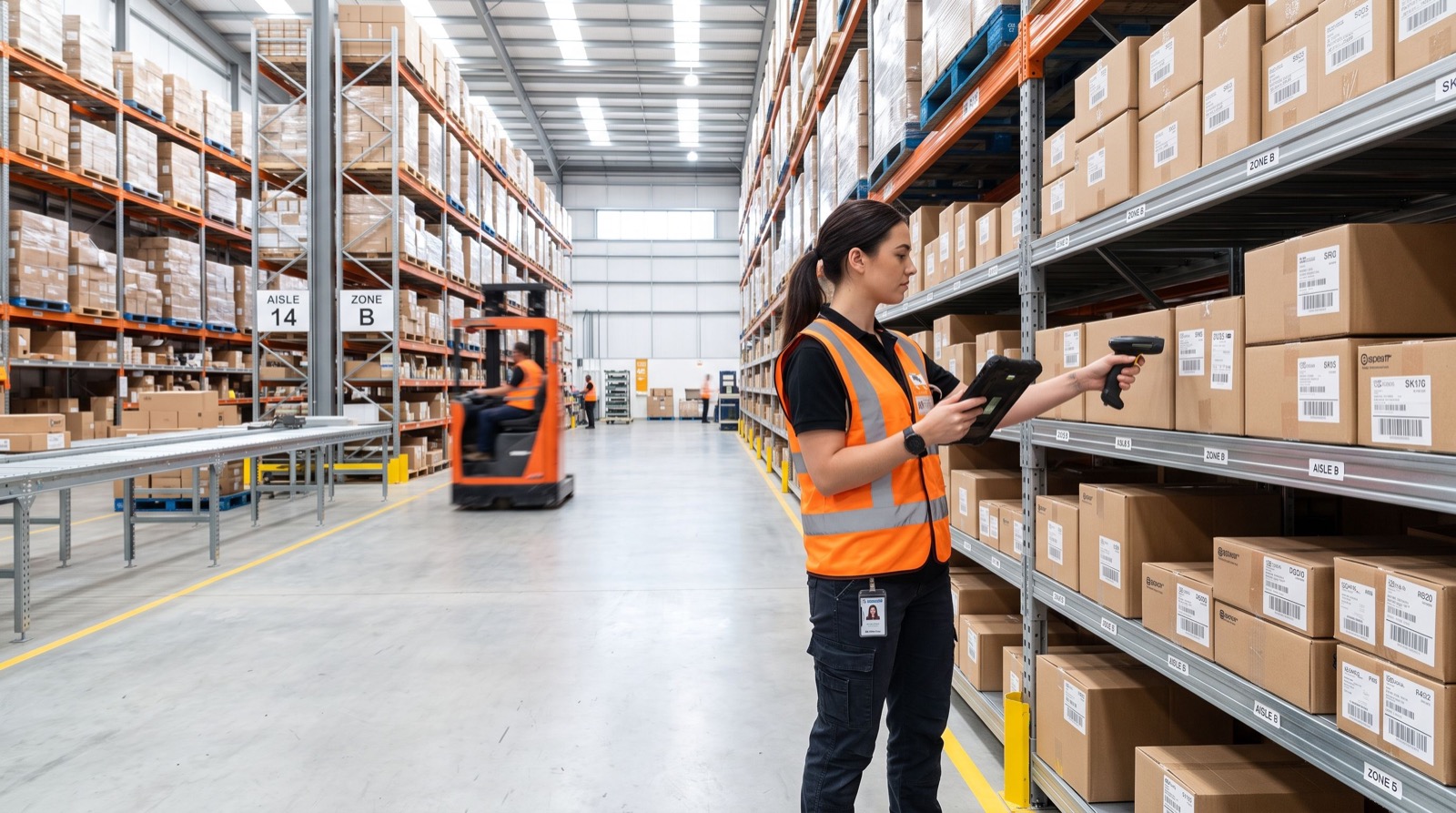
When people think about warehousing, they often picture freezers. Yet ambient storage in Jeddah quietly powers most of the supply chain, holding everything from canned goods and grains to packaging, electronics, and shelf-stable beverages. In 2026, as Jeddah’s role as a Red Sea trade gateway keeps growing, understanding ambient storage is essential for any business that wants to cut cost without risking product quality.
This guide explains what ambient storage really means, when it beats temperature-controlled options, how to keep goods safe in Jeddah’s hot climate, and how to choose the right facility. By the end, you will know exactly which of your products belong in an ambient warehouse and which need something colder.
What is ambient storage?
Ambient storage keeps goods at natural room temperature, typically between 15 and 25 degrees Celsius, without active refrigeration. It suits any product that does not spoil at normal indoor conditions. Because it avoids the energy cost of cooling, ambient storage is the most economical option for the right goods.
The key is controlling humidity and heat exposure rather than chilling. In Jeddah, where summer air is both hot and humid, a good ambient warehouse uses insulation, ventilation, and sometimes dehumidification to keep conditions stable. This protects packaging integrity and prevents mold, rust, or caking.
Ambient, chilled, or frozen: which do you need?
Choosing the wrong storage class wastes money or ruins product. The table below shows how the main categories compare so you can match each SKU correctly.
| Storage type | Temperature | Best for | Relative cost |
|---|---|---|---|
| Ambient (dry) | +15 to +25 °C | Canned goods, grains, packaging | Lowest |
| Chilled | 0 to +4 °C | Dairy, fresh produce | Medium |
| Frozen | -18 °C or below | Meat, seafood, ice cream | Highest |
Many businesses need a mix. A food distributor might use Ambient Storage in Jeddah for canned tomatoes and rice while relying on dedicated Frozen Storage in Saudi Arabia for its meat and seafood lines. Splitting inventory by temperature class is the single easiest way to control warehousing spend.
Why does ambient storage still need climate control in Jeddah?
“Ambient” does not mean “ignore the environment.” Jeddah’s outdoor temperature can climb past 40 degrees Celsius, which is well above the safe range for many shelf-stable goods. Heat accelerates spoilage in oils, chocolate, and some pharmaceuticals, while humidity damages cardboard, labels, and electronics.
Quality ambient facilities therefore maintain a controlled indoor band and monitor conditions continuously. The U.S. Food and Drug Administration’s guidance on safe food handling reinforces that even shelf-stable products degrade faster when exposed to excessive heat and moisture. In Jeddah, that principle is non-negotiable.
Products that thrive in ambient storage
The following goods are typically well suited to ambient conditions when humidity is controlled:
- Canned and jarred foods.
- Rice, flour, sugar, and dry grains.
- Bottled water and shelf-stable beverages.
- Packaging materials and paper goods.
- Household cleaning products and toiletries.
- Many non-perishable retail items.
How to choose an ambient warehouse in Jeddah
Not every dry warehouse is equal. Use these steps to evaluate a facility before committing:
- Inspect insulation and roof condition to gauge heat control.
- Ask how humidity is measured and managed.
- Check for pest-control programs and clean, sealed floors.
- Confirm racking systems maximise vertical space and airflow.
- Review inventory systems for accurate, real-time stock counts.
- Assess proximity to the port and your delivery routes.
Working with an experienced local team makes a real difference. Staff who understand Jeddah’s climate, customs flow, and seasonal demand will position your stock intelligently and flag risks before they become losses. In my experience, the quality of the warehouse team predicts inventory accuracy more reliably than the age of the building.
Original tip: zone by turnover, not just temperature
Here is a practical insight many businesses miss. Within an ambient warehouse, place fast-moving SKUs near the dispatch doors and slow movers deeper inside. This “velocity zoning” cuts picking time, reduces forklift traffic, and lowers the chance of stock sitting forgotten past its best-before date. It costs nothing to implement and pays back immediately.
How ambient storage saves money without cutting corners
The biggest advantage of ambient storage is cost efficiency, but the savings only hold if the warehouse is run properly. Skipping humidity control to save a few riyals can spoil an entire pallet, wiping out any gain. The goal is smart economy, not cut corners.
Consider a typical Jeddah distributor with mixed inventory. By moving every shelf-stable item out of expensive chilled space and into a well-managed ambient zone, that business often reduces its storage energy footprint significantly. The freezer and chiller then hold only what truly needs cold, running more efficiently because they are no longer overloaded.
A quick cost-optimisation routine
- Audit your current inventory and tag each SKU by required temperature.
- Move every shelf-stable item into ambient storage.
- Reserve chilled and frozen space for genuinely perishable goods.
- Review the split quarterly as your product mix changes.
Seasonality matters too. Demand for canned goods, water, and packaged staples climbs sharply before Ramadan and during summer. Planning ambient capacity ahead of these peaks prevents last-minute scrambling for space. Because ambient warehousing is more affordable than refrigerated space, building in a buffer is far less costly than it would be for frozen storage.
Finally, remember that ambient storage protects brand presentation. Crushed cartons, faded labels, and swollen cans all start with poor storage conditions. Keeping goods in a stable, dry, pest-controlled environment means products reach the shelf looking exactly as your customers expect.
Frequently Asked Questions
What is the difference between ambient and dry storage?
The terms are often used interchangeably. Both mean storing goods at natural room temperature without refrigeration, focusing on humidity and heat control rather than active cooling. Ambient storage in Jeddah keeps products in a stable indoor range, typically 15 to 25 degrees Celsius.
Can perishable food go in ambient storage?
Only shelf-stable food belongs in ambient storage. Fresh, chilled, or frozen items need temperature-controlled chambers. Mixing them risks spoilage, so distributors usually split inventory across ambient, chilled, and frozen zones.
Is ambient storage cheaper than frozen storage?
Yes. Ambient storage avoids the energy cost of refrigeration, making it the most economical option for suitable goods. Placing only truly frozen products in freezers keeps your overall warehousing bill down.
How is humidity controlled in a Jeddah warehouse?
Good facilities use insulation, ventilation, and dehumidification, plus continuous monitoring. This prevents mold, rust, and caking that Jeddah’s hot, humid air would otherwise cause.
Conclusion
Smart ambient storage in Jeddah lets you protect shelf-stable goods while spending far less than refrigerated space would demand. The winning strategy in 2026 is simple: match every product to the right temperature class, insist on genuine humidity control, and partner with a team that knows the local market. Store only what truly needs cold in a freezer, put the rest in a well-run ambient warehouse, and watch your logistics costs fall without any drop in quality.